Ulrich Friedrich · 2 October 2026
How Studio Teams Optimize Asset Retrieval Through AI-Driven Container Tagging Systems
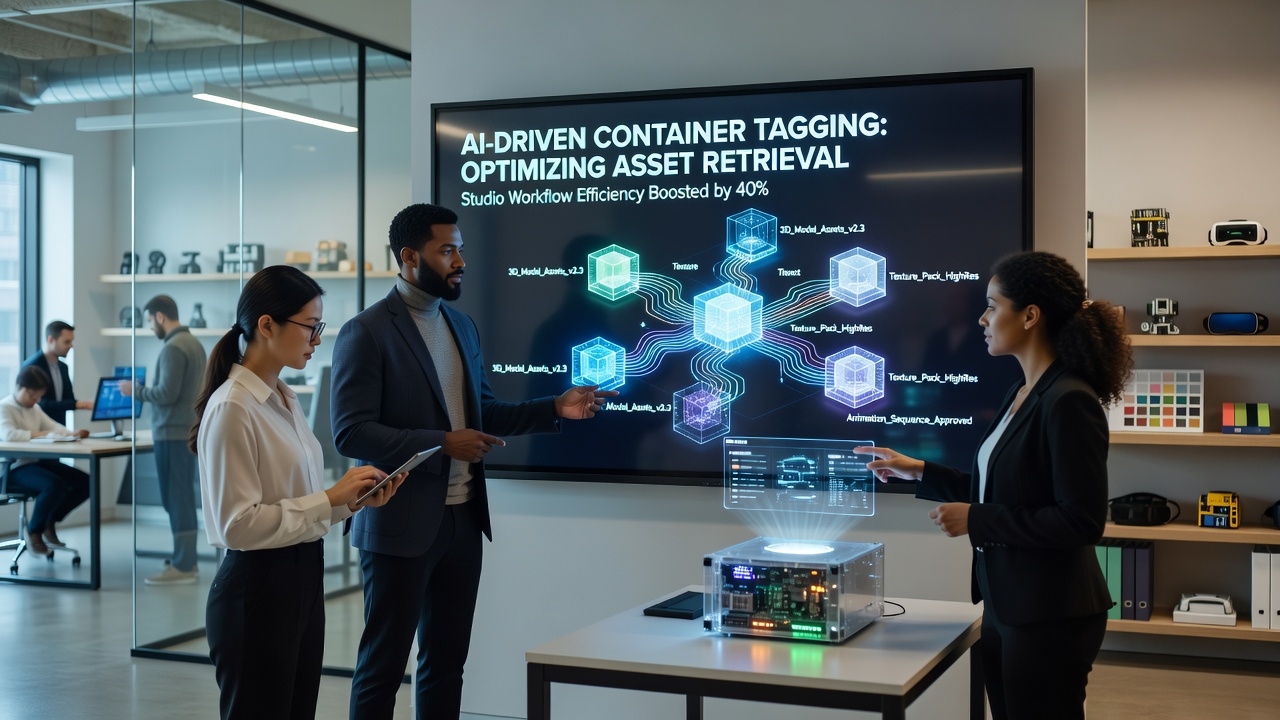
Studio teams working with large volumes of visual assets have adopted AI-driven container tagging systems to streamline retrieval processes, and these approaches combine machine learning models with structured storage frameworks that assign contextual labels automatically. Data from creative production environments shows that such systems reduce search times by organizing assets into tagged containers based on attributes like style, resolution, usage rights, and project phase, while the underlying algorithms analyze visual content to generate metadata without manual input from every team member.
Core Mechanisms Behind AI Container Tagging
Container tagging begins with ingestion pipelines that feed raw assets into AI models trained on industry-specific datasets, and these models detect patterns such as color palettes, object types, and motion characteristics before assigning tags that link each item to relevant containers. Researchers at various institutions have documented how convolutional neural networks and transformer architectures handle the classification tasks, allowing systems to differentiate between similar assets like character models or background plates across multiple projects. Teams then query the tagged containers through natural language interfaces or API calls that return precise results, and this setup supports version control by maintaining historical tag data alongside current iterations.
October 2026 marked a notable increase in adoption rates as software providers released updated frameworks compatible with existing render farm infrastructures, and industry reports indicate that studios handling over 500,000 assets per quarter saw measurable gains in workflow throughput after integration. The process relies on continuous model refinement where feedback loops from user interactions improve tag accuracy over successive cycles, whereas initial setups often require calibration periods of several weeks to align with unique studio pipelines.
Workflow Integration Patterns Observed Across Studios
Implementation typically starts with mapping existing asset libraries to new container schemas, and project managers coordinate with technical staff to define tagging taxonomies that reflect departmental needs such as lighting references or texture libraries. Systems then operate in parallel with traditional file servers, pulling assets into AI-processed containers during off-peak hours to avoid disrupting active production. Observers note that hybrid approaches, where human reviewers validate a subset of AI-generated tags, maintain quality control while scaling to larger collections, and this method appears in case studies from animation facilities that transitioned from manual spreadsheets to automated processes.
One animation studio that integrated these tools reported connecting their tagging system to cloud-based render queues, allowing artists to retrieve environment assets tagged for specific lighting conditions within seconds rather than navigating nested folders. Another facility focused on game development used similar containers to isolate assets cleared for commercial licensing, and the AI component flagged potential conflicts based on embedded metadata about usage history. Such examples illustrate how the technology adapts to varied content types while maintaining consistency across distributed teams.
Data Handling and Retrieval Efficiency Metrics

Performance metrics gathered from production logs reveal that retrieval accuracy improves when tags incorporate contextual relationships, such as linking a prop asset to its parent scene container, and query speeds benefit from indexed structures that prioritize frequently accessed categories. According to findings published through CSIRO research initiatives, studios employing these methods achieved up to 70 percent reductions in average search duration compared with legacy database queries. European Commission analyses of digital content management further support the observation that AI tagging scales effectively when paired with standardized container formats that support cross-platform access.
Security protocols within these systems encrypt tag data alongside the assets themselves, and access controls restrict container visibility based on role permissions to prevent unauthorized retrieval during collaborative reviews. Teams monitor system health through dashboards that track tag confidence scores, triggering retraining when accuracy dips below predefined thresholds, and this monitoring supports long-term reliability without constant oversight.
Adaptations for Specialized Production Needs
Studios dealing with real-time rendering requirements have customized tagging models to prioritize performance-related attributes like polygon count and shader complexity, whereas post-production houses emphasize timeline markers and composite layer tags. The flexibility stems from modular model architectures that accept additional training data from each studio's archive, and updates in October 2026 introduced support for multimodal inputs that combine visual analysis with audio cues from associated project files. Those who've studied deployment patterns report that smaller teams often begin with cloud-hosted solutions before migrating to on-premises instances as asset volumes grow, allowing gradual scaling that aligns with budget cycles.
Integration challenges arise mainly around legacy asset formats that lack embedded metadata, yet conversion utilities now automate much of teh migration while preserving original file integrity. Technical documentation from equipment vendors outlines best practices for synchronizing tagging outputs with editing software timelines, ensuring that retrieved assets load with correct settings intact.
Conclusion
AI-driven container tagging systems continue to evolve as production demands increase, and ongoing refinements in model training along with hardware acceleration point toward broader implementation across creative sectors. Studio teams that align these tools with their specific workflows gain structured access to expanding asset libraries, supported by data from research bodies and operational records that confirm consistent retrieval improvements. The approach integrates with existing infrastructures through measured phases, delivering organized containers that facilitate collaboration without replacing established creative processes.