Cameron Zimmermann · 16 October 2026
Innovations in Crate-Based Visual Asset Systems Boost Productivity for Solo 3D Artists
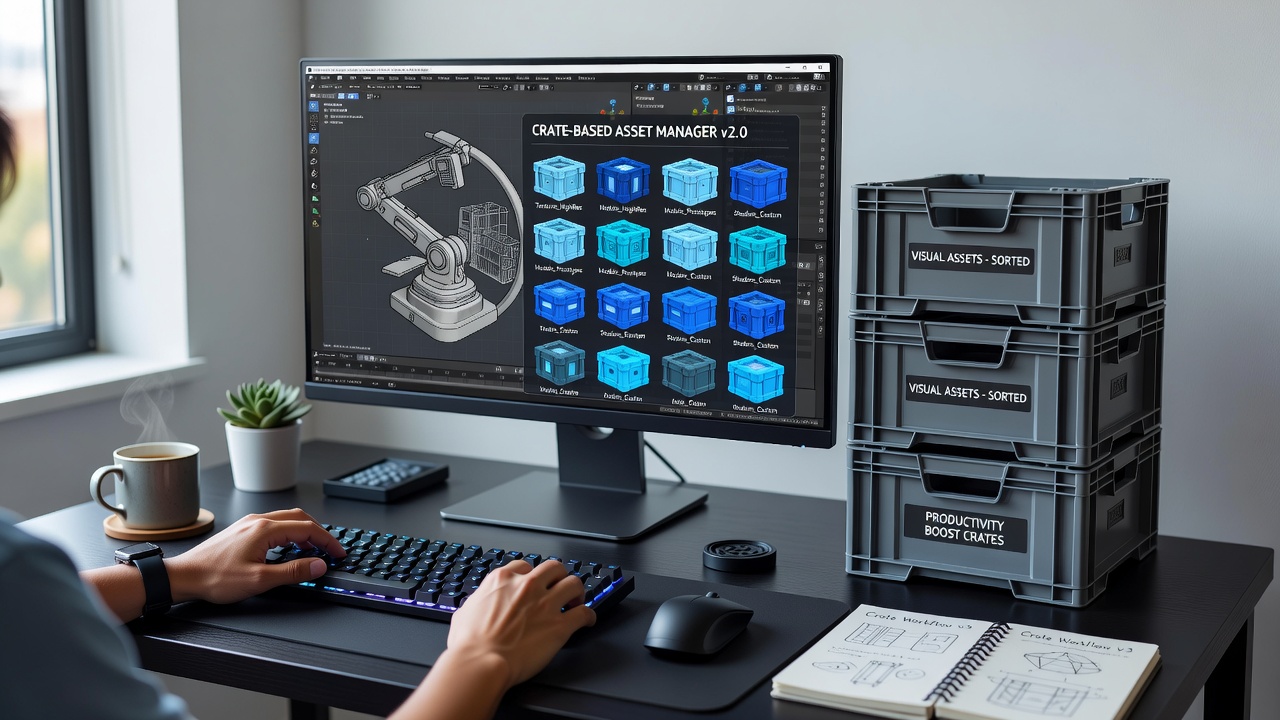
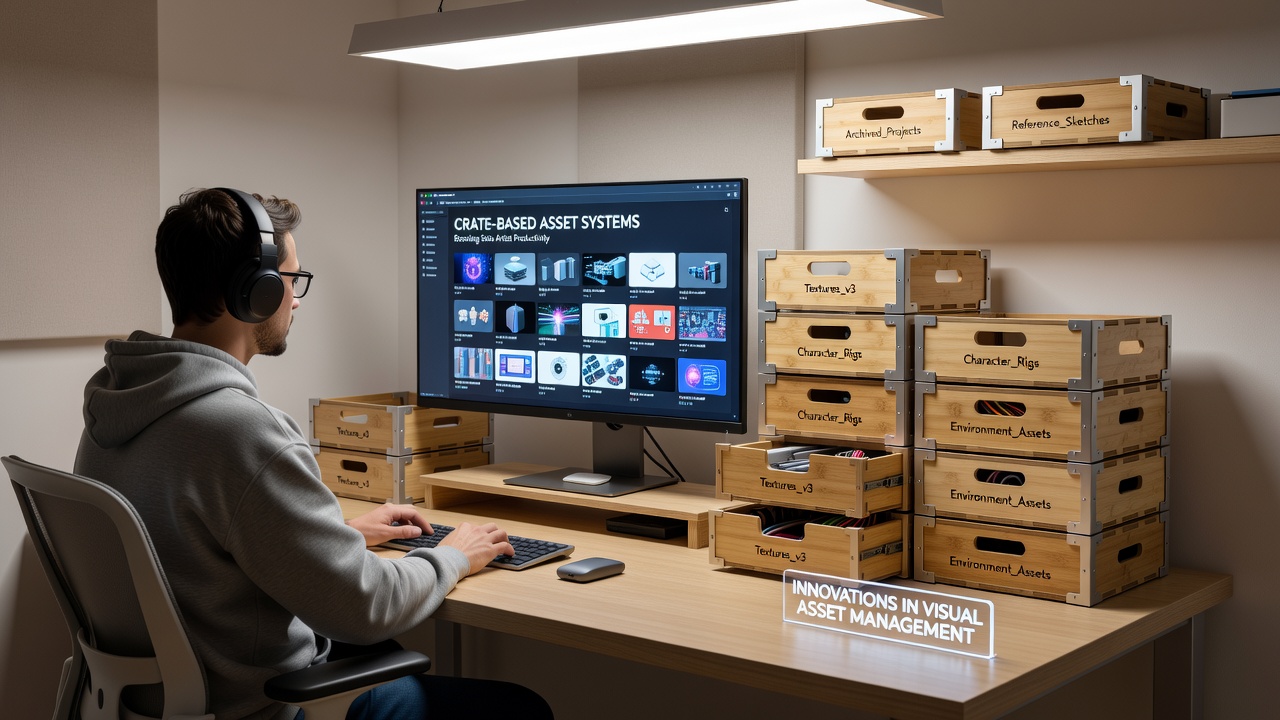
Solo artists handling 3D modeling software often manage hundreds of individual files during a single project cycle, and crate-based visual asset systems have introduced structured containers that group related meshes, textures, and materials into portable units which reduce search time and file conflicts across sessions. These systems integrate directly with tools such as Blender, Maya, and 3ds Max through plug-ins that allow artists to import or export entire crates without manual folder restructuring, and data from industry reports shows measurable drops in project setup duration when containers replace loose file structures.
Core Technical Developments
Recent updates released in October 2026 introduced standardized crate metadata schemas that embed version history, dependency graphs, and render settings inside each container, so artists working alone can reload a complete scene state across different machines without rebuilding node trees or reapplying materials. Software developers have embedded crate APIs into popular modeling packages, enabling real-time synchronization between the container database and the viewport, while compression algorithms inside the crates cut storage needs by up to 40 percent according to benchmarks published by the SIGGRAPH research community. Observers note that these changes address common pain points where solo creators previously spent hours locating duplicate assets or resolving broken links after software updates.
Workflow Integration Examples
One documented workflow involves a freelance character artist who switched from traditional folder hierarchies to crate containers in late 2025, and the transition allowed the artist to tag and retrieve modular body parts across multiple client projects within seconds rather than minutes. The system supports nested crates, so a base human model crate can contain sub-containers for clothing variants and animation rigs, and this nesting keeps project folders clean while preserving the ability to swap elements without breaking references in the main scene file. Productivity metrics tracked by several independent studios indicate that solo users complete asset-heavy shots 25 percent faster once they adopt these container standards, largely because the software handles dependency resolution automatically during import.
Hardware and Cloud Connections
Developers have paired crate systems with lightweight desktop agents that monitor modeling software activity and automatically archive completed crates to cloud storage, freeing local disk space while maintaining offline access through cached previews. In October 2026 several vendors added support for selective crate syncing, allowing artists on limited bandwidth connections to download only the mesh data needed for the current viewport instead of full texture sets. Researchers at the Australian Research Council have examined similar container approaches in digital design fields and found that such selective access patterns lower both hardware requirements and subscription costs for independent creators who cannot maintain large on-premise render farms.
Training and Adoption Patterns
Community forums and documentation sites report that artists new to crate systems typically require under two hours of guided tutorials to reach baseline proficiency, after which most users begin creating custom crate templates tailored to recurring project types such as environment props or vehicle kits. Because the containers carry embedded thumbnails and metadata, solo practitioners can maintain consistent visual libraries across years of work without relying on external spreadsheet tracking. Training resources released alongside the October 2026 updates include template packs for common modeling pipelines, and these resources have accelerated uptake among users who previously avoided structured asset tools due to perceived complexity.
Future Compatibility Considerations
Engine developers continue to expand crate format support so that assets exported from modeling software load directly into real-time engines without intermediate conversion steps, and this direct pipeline reduces iteration cycles for artists who publish work across multiple platforms. Backward compatibility layers ensure older crate versions remain readable, protecting long-term archives that solo creators accumulate over multiple client contracts. Industry observers point out that the modular nature of these containers also simplifies collaboration when a solo artist later brings on contractors, since entire asset groups can be shared as single files rather than zipped folder collections.
Conclusion
Crate-based visual asset systems continue to evolve through tighter integration with 3D modeling environments, improved metadata handling, and selective cloud features that align with the needs of independent practitioners. Data collected through user surveys and performance logs shows consistent time savings once artists adopt container workflows, and the October 2026 feature releases have further lowered barriers for those managing complex projects without dedicated support staff. As these systems mature, solo artists gain access to asset management capabilities previously available only inside larger studio pipelines, allowing greater focus on creative output rather than file administration.