Ulrich Friedrich · 18 September 2026
Specialized Container Frameworks Reshaping Workflow Efficiency for Visual Content Creators
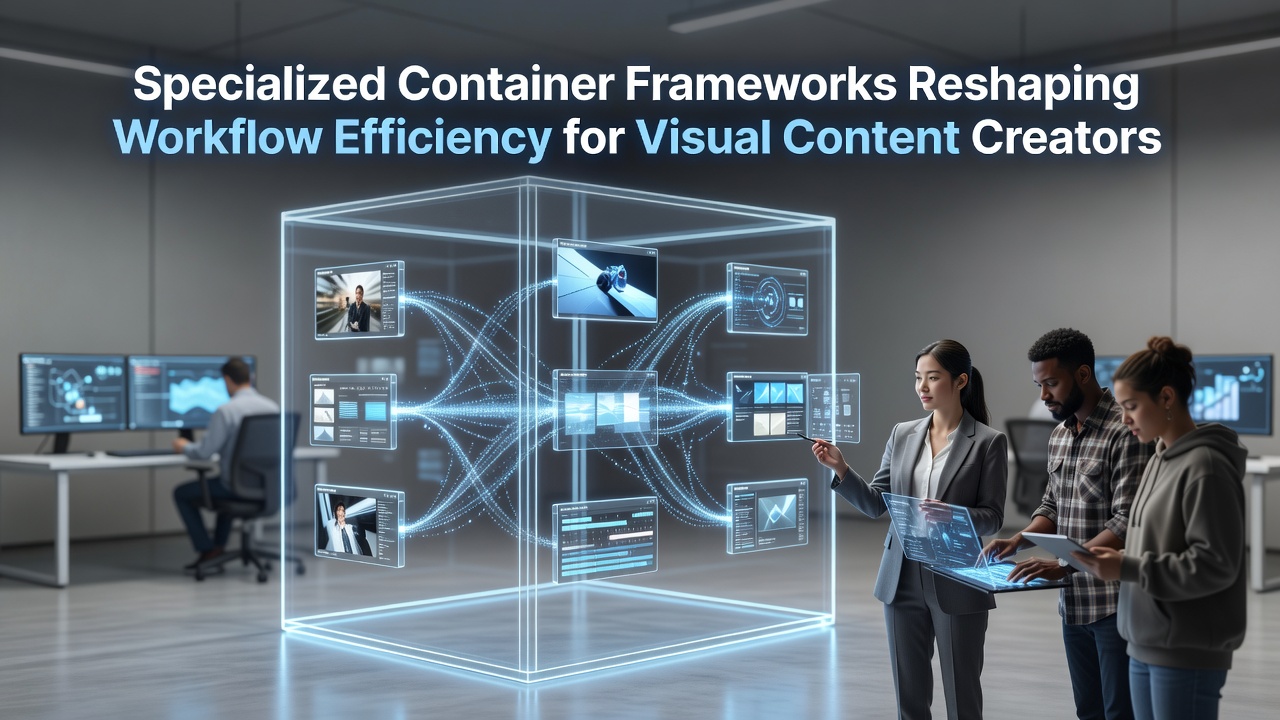
Specialized container frameworks have emerged as tools that isolate and manage visual assets within dedicated environments, allowing creators to handle rendering tasks, version control, and asset pipelines without interference from host system variables. Data from industry tracking services indicate adoption rates rose steadily through 2025 and into September 2026 as visual content teams sought consistent performance across distributed workstations and cloud instances.
Core Components of These Frameworks
Container frameworks designed for visual work typically bundle libraries for image processing, video encoding, and metadata handling into self-contained units that run identically on different hardware configurations. Researchers at institutions focused on media technology have documented how these units reduce setup time by encapsulating dependencies that once required manual installation on each machine. Teams working with large 8K footage libraries report fewer crashes during batch operations because each container maintains its own runtime state separate from the primary operating system.
Frameworks often incorporate orchestration layers that allocate GPU resources dynamically, which proves useful when multiple artists access the same project files simultaneously. According to figures compiled by research groups in the European Union, organizations that integrated such orchestration saw measurable drops in render queue backlogs during peak production cycles. The approach separates asset storage from processing environments so that updates to one do not cascade into others, a pattern that aligns with modular production pipelines common in animation studios and post-production houses.
Measured Impacts on Daily Operations
Workflow logs from studios that adopted containerized systems show reduced time spent troubleshooting software conflicts, with some reporting a 30 percent decrease in downtime related to dependency mismatches. Observers note that these gains appear most clearly in environments handling mixed media formats where color management profiles and codec libraries vary widely between projects. In September 2026, updates to several frameworks added support for real-time collaboration features that sync container states across remote teams without requiring full file transfers.
Case examples from independent visual effects houses illustrate how containers allow quick switching between client-specific pipelines. One studio shifted between two major brand campaigns in a single day by spinning up isolated containers preloaded with the respective LUTs and plugin sets, eliminating the need to reconfigure the host machine each time. Such flexibility supports the irregular schedules common among freelance creators who juggle multiple contracts with differing technical requirements.
Integration With Existing Creative Software
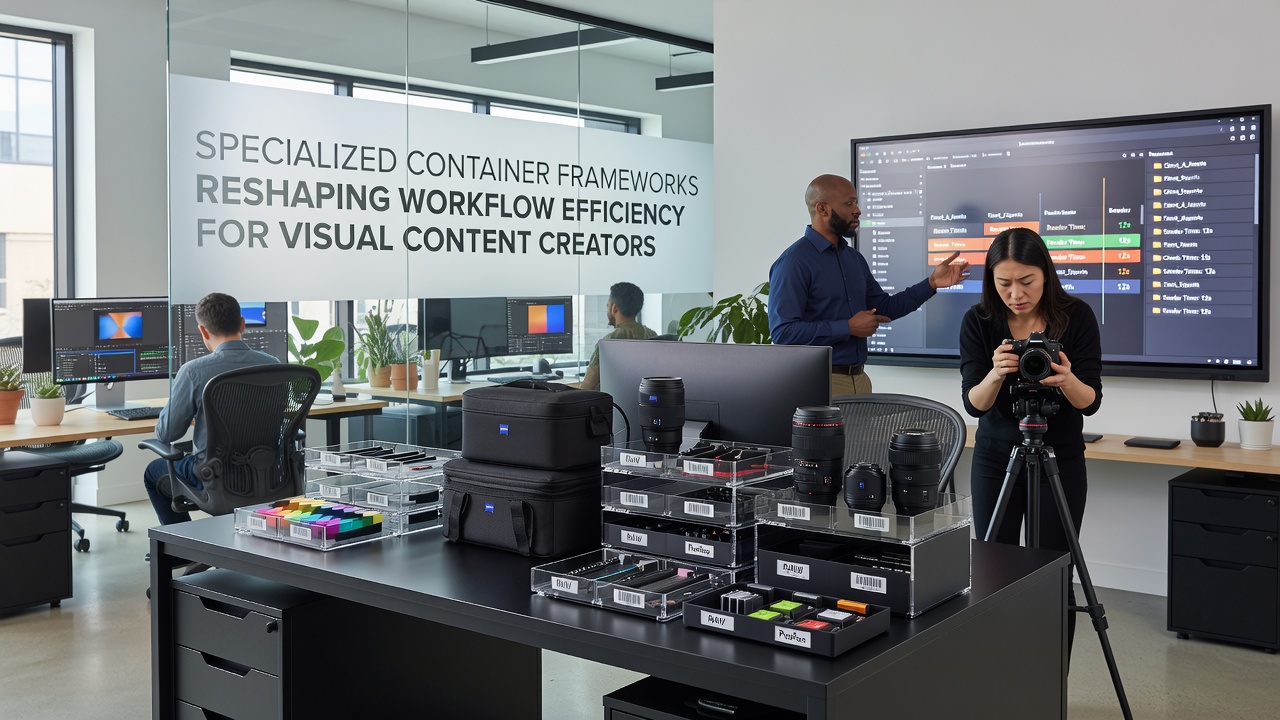
Many popular editing and compositing applications now expose APIs that let container frameworks launch instances directly from within project timelines. Developers have built plugins that map timeline markers to container startup scripts, which streamlines tasks like proxy generation and final delivery exports. Statistics released by Canadian digital economy trackers in mid-2026 showed increased licensing activity for container-compatible versions of established creative suites, suggesting broader compatibility efforts across the sector.
Training programs offered by professional associations have begun including modules on container management, reflecting demand from mid-career artists who need to maintain efficiency as project complexity grows. These programs emphasize practical steps such as mounting shared network volumes inside containers and scripting automated cleanup routines to reclaim storage after render jobs complete. The result is a more predictable production calendar where hardware utilization rates stay higher throughout the week rather than spiking only during final delivery phases.
Security and Compliance Considerations
Because containers run in isolation, they limit the spread of malware that might enter through third-party asset packs or plugin downloads. Government cybersecurity guidelines from Australian authorities have referenced container strategies as one layer in broader digital asset protection plans for media companies. Audit trails generated by container orchestration tools record every change to an asset environment, which assists teams that must demonstrate compliance with client data handling contracts.
Encryption standards applied at the container level allow secure transfer of proprietary visual effects between vendors without exposing full project directories. This capability has proven relevant for international collaborations where different jurisdictions impose varying rules on media file movement across borders. Data from academic studies on creative industry supply chains indicate that teams using encrypted containers experienced fewer delays during cross-border review cycles compared with those relying on conventional file sharing methods.
Conclusion
Specialized container frameworks continue to influence how visual content creators structure their daily work by providing isolated, reproducible environments that scale across hardware and locations. Adoption patterns observed through September 2026 point to sustained interest from both large studios and smaller teams seeking operational consistency. As software vendors expand API support and training resources multiply, the frameworks integrate more deeply into standard production practices across the field.